

Choosing the perfect name for your restaurant is one of the most exciting and crucial decisions you’ll make as an owner. A restaurant’s name is more than just a label; it’s an integral part of your brand identity. It reflects your concept, attracts potential customers, and leaves a lasting impression. In a competitive market, the right name can differentiate your restaurant and set the stage for long-term success.
This article will guide you through the process of choosing a restaurant name that aligns with your vision, resonates with your target audience, and helps your brand stand out.
Understand Your Restaurant Concept
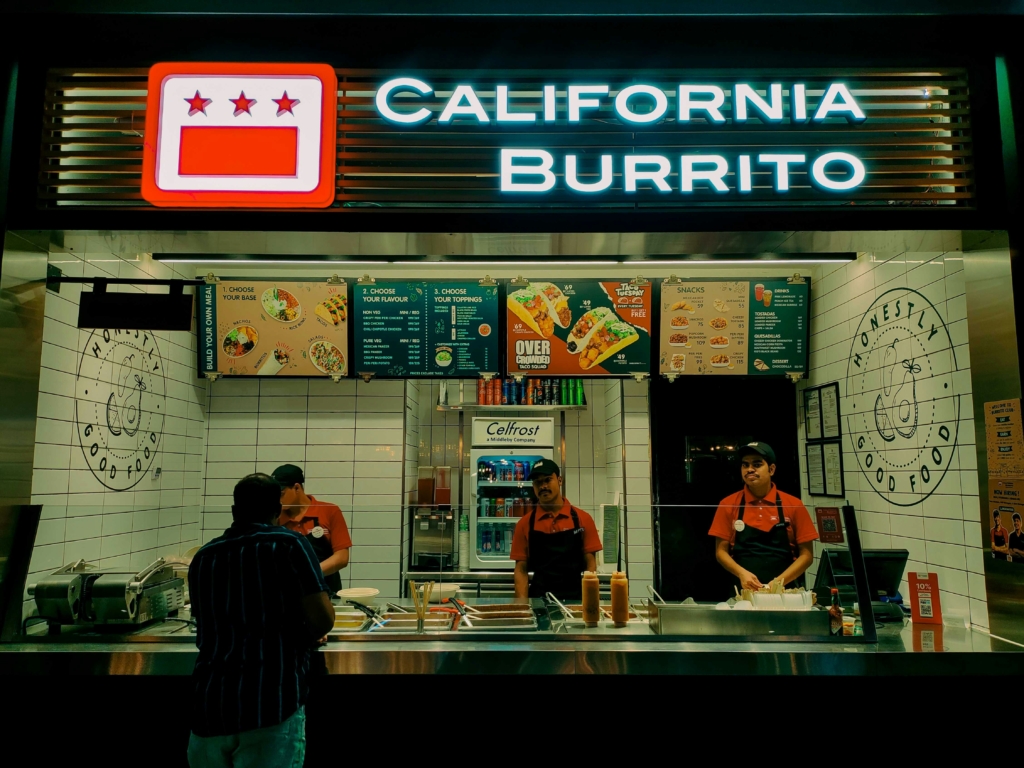
Before you begin brainstorming names, you need to have a clear understanding of your restaurant concept. Your concept serves as the foundation for the name you choose. Consider the following elements.
Cuisine
Are you serving Italian, Japanese, French, Mexican, Thai, Mediterranean, or perhaps a unique fusion of global flavors? Consider if your dishes have a regional focus, such as Southern Italian or Northern Thai, or if your concept highlights street food, traditional recipes, or modern interpretations of classic cuisine.
Ambiance:
Is it a casual diner, a fine-dining establishment, a trendy gastropub, or a fast-food joint? Does it have a cozy, intimate feel, a lively and energetic vibe, or a sleek, modern atmosphere? Think about elements like lighting, furniture style, music, and decor. Consider whether your restaurant aims to create a nostalgic, retro experience, a rustic countryside charm, or a futuristic, high-tech setting.
Theme
Is there a specific theme, such as a 1950s retro vibe, modern minimalist, rustic farmhouse, industrial chic, coastal seaside, bohemian lounge, or urban jungle? Consider if your theme incorporates specific design elements like neon signage, vintage furniture, reclaimed wood, or tropical plants. The theme could also be inspired by cultural references, such as Parisian cafes, New York speakeasies, or Mediterranean tavernas. Think about how the theme can enhance the dining experience and create a cohesive, memorable atmosphere.
Service Style
Are you offering sit-down service, takeout, delivery, food trucks, or perhaps a combination of these? Consider if your service style includes counter service, self-service kiosks, or online ordering. Are you offering a buffet, prix-fixe menus, or chef’s tasting experiences? Think about whether your restaurant caters to fast-paced dining for busy professionals, leisurely meals for families, or unique experiences like pop-ups and seasonal dining events.
A restaurant that specializes in French cuisine with a romantic ambiance might call for an elegant, sophisticated name, whereas a lively burger joint might need something catchy and fun.
Example
If your concept is a rustic Italian pizzeria, names like “Woodfire & Olive” or “La Tavola Rustica” reflect the theme.
Define Your Brand Identity

Your restaurant’s name should align with your brand identity. Your brand is how you want your customers to perceive your business. Consider the following aspects of your brand identity.
Core Values
What values define your restaurant? Sustainability, authenticity, luxury, inclusivity, community involvement, innovation, quality, or tradition? Consider how these core values influence your business practices, menu offerings, and customer experience. For instance, if your restaurant focuses on sustainability, you might emphasize locally sourced ingredients and eco-friendly packaging. If authenticity is key, you might highlight traditional recipes, cultural heritage, or family-owned charm. Clearly defining these values helps you create a cohesive and genuine brand that resonates with your customers.
Personality
Is your brand quirky, elegant, family-friendly, adventurous, bold, sophisticated, whimsical, or down-to-earth? Consider if your restaurant’s personality exudes a sense of humor, refinement, warmth, or innovation. Do you want your brand to feel trendy and cutting-edge, or nostalgic and comforting? A clear personality helps shape not only your restaurant’s name but also its marketing, design, and customer experience. For instance, a whimsical, fun-loving brand might lean toward playful names, while a sophisticated, upscale brand might opt for more refined, timeless choices.
Unique Selling Proposition (USP)
What makes your restaurant stand out? Consider what differentiates your restaurant from competitors. Is it a signature dish, a unique cooking technique, exceptional customer service, or a special atmosphere? Perhaps your restaurant offers farm-to-table ingredients, a fusion of unexpected flavors, or a dining experience centered around a cultural tradition. Think about the specific elements that give your restaurant a distinct identity and communicate them clearly through your name. For example, if your USP is wood-fired cooking, names like “Smoke & Ember” or “Charred Elegance” could highlight this feature. Defining your USP helps ensure that your name captures the essence of what makes your restaurant truly special.
For example, if sustainability is a core value of your restaurant, a name that reflects environmental consciousness (e.g., “Green Plate” or “The Local Harvest”) could resonate with your customers.
Tip
Write down 3-5 adjectives that describe your brand’s personality to guide the naming process.
Know Your Target Audience

Understanding your target audience helps ensure that your restaurant name appeals to the right demographic. Think about who you want to attract:
Age Group
Millennials, Gen Z, families with young children, retirees, young professionals, college students, or baby boomers? Consider how your target age group influences their dining habits, preferences, and expectations. For example, Gen Z and millennials may appreciate trendy, social-media-friendly concepts, while families might prefer kid-friendly environments with convenient seating and menu options. Retirees may gravitate toward quieter, more traditional settings, and young professionals may seek out quick, high-quality meals in a modern atmosphere.
Restaurant Name Examples
For Millennials and Gen Z
“Vibe & Vine,” “Snap Bites,” “The Chill Grill.”
For Families with Young Children
“The Happy Table,” “Little Forks Cafe,” “Family Feast House.”
For Retirees
“Golden Spoon,” “The Heritage Cafe,” “Timeless Table.”
For Young Professionals
“The Workday Plate,” “Urban Quick Eats,” “Metro Bites.”
For College Students
“Campus Cravings,” “The Hungry Scholar,” “Dorm Diner.”
For Baby Boomers
“Classic Bites,” “Retro Table,” “The Nostalgic Nook.”
These examples reflect the preferences and expectations of different age groups, helping you choose a name that resonates with your target demographic.
Lifestyle Preferences
Health-conscious individuals who seek organic, gluten-free, vegan, or low-calorie options; adventurous eaters who enjoy trying unique, exotic, or fusion cuisines; busy professionals who prefer quick service, meal kits, or grab-and-go options; foodies who are looking for curated dining experiences; eco-conscious diners who prioritize sustainability and ethical practices; or those who favor comfort food and nostalgic dishes. Consider how your target customers’ lifestyles influence their dining choices, frequency, and expectations, and how your restaurant name can reflect these preferences.
Restaurant Name Examples
For Health-Conscious Diners
“Green Fork Cafe,” “Pure Plates,” “Vital Bites.”
For Adventurous Eaters
“The Flavor Lab,” “Spice Odyssey,” “Fusion Feast.”
For Busy Professionals
“Quick & Savory,” “Grab & Go Gourmet,” “The Express Table.”
For Foodies
“Epicurean Haven,” “The Tasting Room,” “Chef’s Table Collective.”
For Eco-Conscious Diners
“Earth to Table,” “Sustainable Spoon,” “The Local Leaf.”
For Comfort Food Lovers
“Nostalgia Nook,” “Homegrown Kitchen,” “The Cozy Plate.”
These examples illustrate how a restaurant name can capture different lifestyle preferences and create an immediate connection with your desired customer base.
Cultural Influences
Local residents who value community-driven dining experiences, tourists seeking authentic regional flavors or unique dining spots, or niche cultural groups who appreciate cuisine that reflects their heritage or traditions. Consider how your restaurant’s name can appeal to these groups by reflecting local history, cultural references, or regional pride.
Restaurant Name Examples
For Local Residents
“The Neighborhood Table,” “Hometown Harvest,” “Community Cravings.”
For Tourists
“The Traveler’s Fork,” “Wanderlust Kitchen,” “The Explorer’s Eatery.”
For Heritage or Tradition
“Casa de Cultura,” “Roots & Recipes,” “Heritage Hearth.”
For Regional Pride
“Lone Star Eats” (Texas), “Bayou Bites” (Louisiana), “Rocky Mountain Grill” (Colorado).
For Authentic Experiences
“Tastes of Tuscany,” “The Parisian Plate,” “Bali Spice.”
These examples show how a name can tie into cultural influences, creating an instant connection with specific audiences and enhancing the dining experience.
Name Examples
For Local History
“The Foundry Table,” “Riverstone Tavern,” “Harbor Heritage Grill.”
For Folklore Themes
“The Whispering Oak,” “Legends & Larder,” “Mythos Kitchen.”
For Regional Pride
“Bayview Bites,” “Prairie Plate,” “Sonoran Spice.”
For Cultural References
“La Casa de Sabor” (Spanish), “Umami Haven” (Japanese), “The Taverna” (Greek).
For Tourist Appeal
“The Grand Fork,” “Trailhead Tavern,” “Postcard Café.”
A name rooted in local folklore, landmarks, or language can create a deeper connection with the community and attract visitors eager for an immersive experience.
For example, a trendy brunch spot targeting millennials might benefit from a hip, Instagrammable name like “Egg & Bloom” or “Yolked.”
Brainstorm Keywords and Ideas
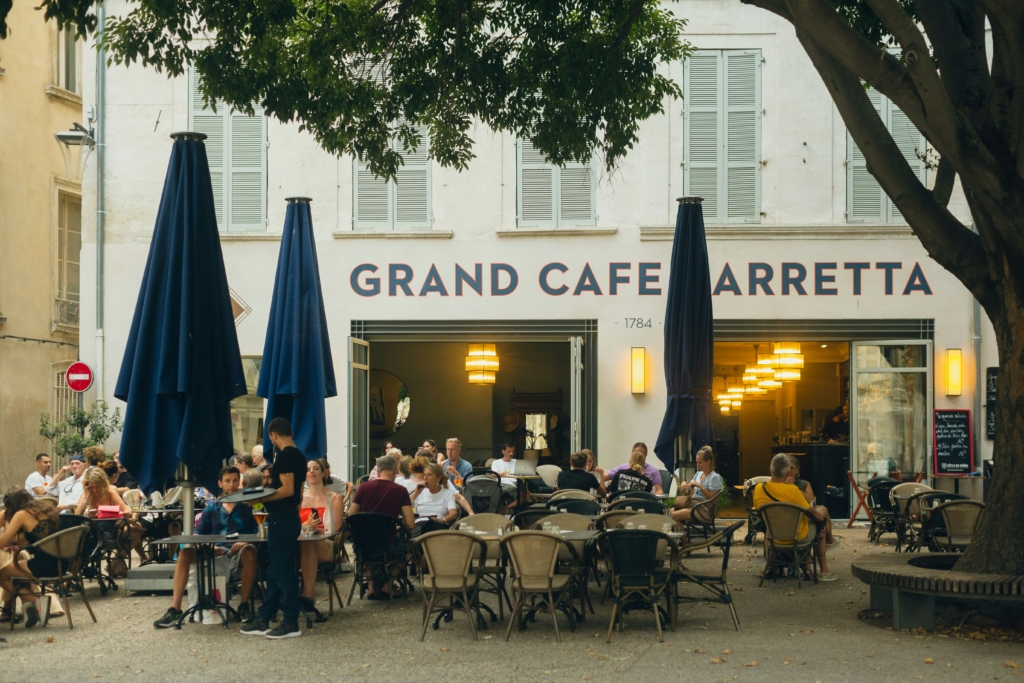
Begin brainstorming potential names by creating lists of keywords related to your restaurant’s concept, brand, and target audience. Here are some ways to generate ideas.
Categories of Keywords
Cuisine-Related Terms
Pasta, pizza, taco, sushi, ramen, curry, barbecue, grill, bakery, bistro, café, steakhouse, trattoria, taqueria, izakaya, noodle bar, tapas, dim sum, patisserie, deli, smokehouse, diner, gastropub, brasserie, seafood, rotisserie, fusion, kebab, and dessert bar.
Location-Based Terms
The street name, city, neighborhood, region, or notable local landmarks. For example, names like “Main Street Bistro,” “Brooklyn Brunch House,” “Pacific Coast Grill,” “Maple Avenue Deli,” or “Harborview Café” evoke a strong sense of place. You can also use local cultural references or historical sites such as “Liberty Square Tavern,” “Redwood Grove Eatery,” or “French Quarter Kitchen.” These names create a connection with the area and help attract locals and visitors who appreciate regional authenticity.
Descriptive Words
Fresh, fiery, rustic, bold, vibrant, zesty, savory, smoky, tangy, hearty, crisp, aromatic, indulgent, comforting, decadent, refined, wholesome, earthy, sizzling, luscious, succulent, juicy, spicy, creamy, and crunchy. Consider words that evoke sensory experiences and align with your restaurant’s concept, helping to create a vivid image in your customers’ minds.
Personal Names
Your own name, a family member’s name, or someone who holds significance to your restaurant’s story. This can create a sense of authenticity, warmth, and personal connection. For example, “Nona’s Kitchen” evokes a cozy, familial feel, while “Chef Marco’s Table” emphasizes the chef’s role. Other options include “Auntie Mae’s Diner,” “Papa Joe’s BBQ,” or “Elena’s Bistro.” Using personal names can also highlight heritage or cultural ties, such as “Abuela’s Cocina” or “Vito’s Trattoria.”
Cultural References
Words in other languages that reflect your cuisine, heritage, or concept can make your restaurant feel authentic and distinctive. For example, “Sabor” (Spanish) evokes the essence of Latin flavors, “Oishi” (Japanese) means delicious, “Trattoria” (Italian) reflects a casual eatery, or “Boulangerie” (French) for a bakery. Consider words that highlight regional specialties, like “Tapas” (Spanish small plates), “Ramen” (Japanese noodle soup), or “Curry House” (South Asian). Choosing culturally relevant words can help convey authenticity, spark curiosity, and connect with customers who appreciate global dining experiences.
Brainstorming Techniques
Example
For a barbecue joint, you might list words like “smoke,” “pit,” “grill,” “flame,” and “ribs.”
Types of Restaurant Names to Consider
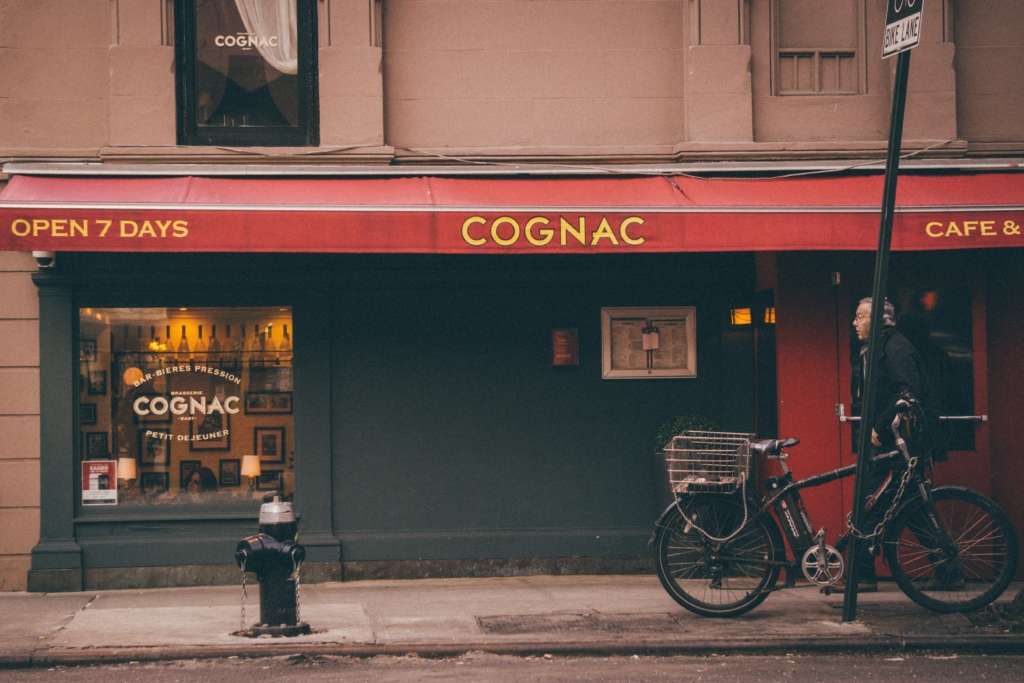
There are several categories of restaurant names, each with its own style and appeal
Descriptive Names
These names describe what your restaurant offers.
Evocative Names
Evocative names trigger emotions or imagery.
Abstract Names
These are unique, creative, and often open to interpretation.
Personal Names
Using your name or a family member’s name creates a sense of authenticity.
Location-Based Names
Tying your name to a location helps build local identity.
Playful or Pun-Based Names
These names are catchy, witty, and often memorable.
Ensure Originality and Availability
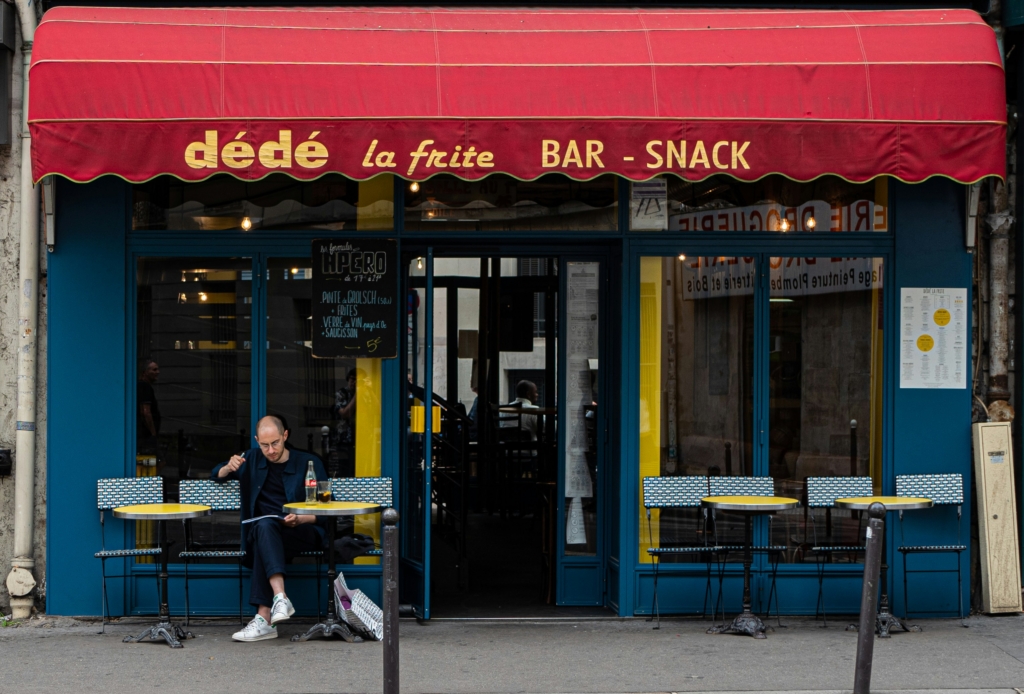
Once you have a shortlist of potential names, it’s essential to check their originality and availability. Here’s how:
Steps to Check Availability
Online Search
Perform a thorough search on Google and other search engines to see if the name is already being used by other businesses. Look beyond the first page of results to uncover less obvious uses. Include variations of the name, different spellings, and translations if applicable. Additionally, check review sites like Yelp, TripAdvisor, and Google My Business to see if any restaurants or related establishments share a similar name. This helps ensure you choose a unique name and avoid potential confusion with competitors.
Domain Name
Check if the website domain (e.g., www.yourrestaurantname.com) is available. Use domain registration platforms like GoDaddy, Namecheap, or Google Domains to search for availability. Consider securing multiple domain extensions such as .com, .net, or .biz to protect your brand. If your desired domain is taken, think about slight variations or adding keywords like “eatery,” “dining,” or “bistro.” Also, ensure that the domain is easy to remember, spell, and type to make it convenient for customers to find your website.
Social Media Handles:
Check if the name is available on major platforms like Instagram, Facebook, Twitter, TikTok, and LinkedIn. Use tools like Namechk or Knowem to quickly search multiple platforms at once. Consistency across platforms helps with brand recognition, so aim for the same handle on each site. If your desired handle is taken, consider slight variations like adding “Cafe,” “Eatery,” or your location. Additionally, think about potential hashtags or trends related to your name that could enhance your online visibility and engagement.
Trademark Search:
Conduct a comprehensive search on the U.S. Patent and Trademark Office (USPTO) website or the trademark authority in your country to ensure the name isn’t trademarked. Explore variations in spelling, related categories, and similar-sounding names to identify potential conflicts. If your restaurant name involves unique words or phrases, search globally to avoid overlapping with international trademarks. Consider consulting a trademark attorney to ensure full legal protection and minimize risks. This step is crucial for preventing legal disputes, rebranding costs, and protecting your business identity.
Tip
Having a unique name helps prevent legal issues and makes it easier for customers to find you online.
Consider Practicality
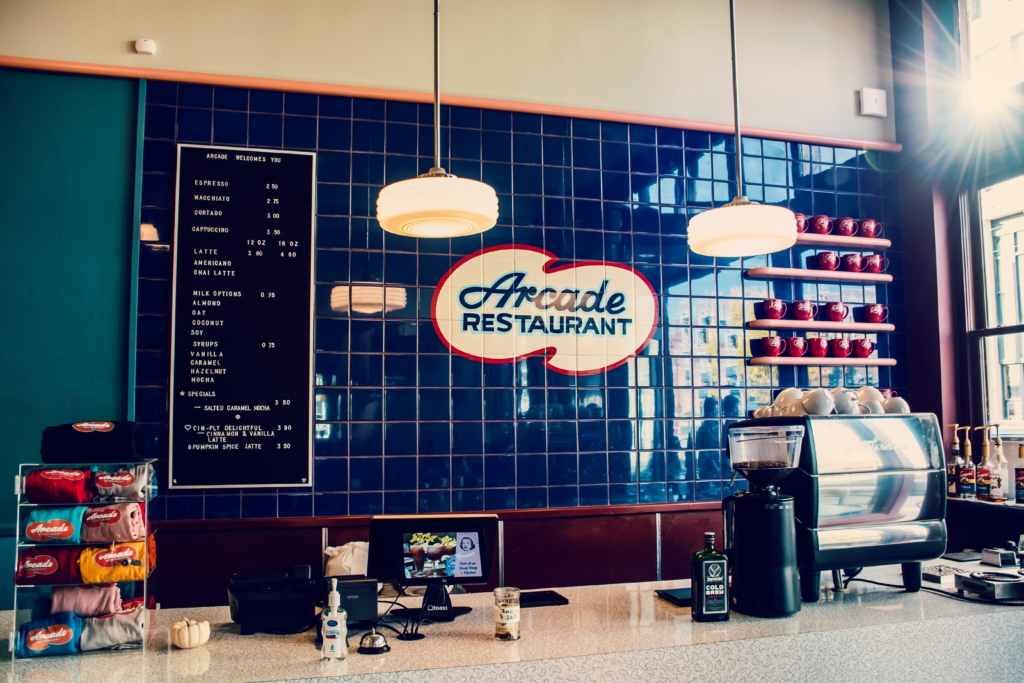
Your restaurant name should be practical in terms of spelling, pronunciation, and signage.
Key Considerations
Example
“Bella’s Bistro” is simple, easy to spell, and easy to pronounce.
Reflect on Longevity
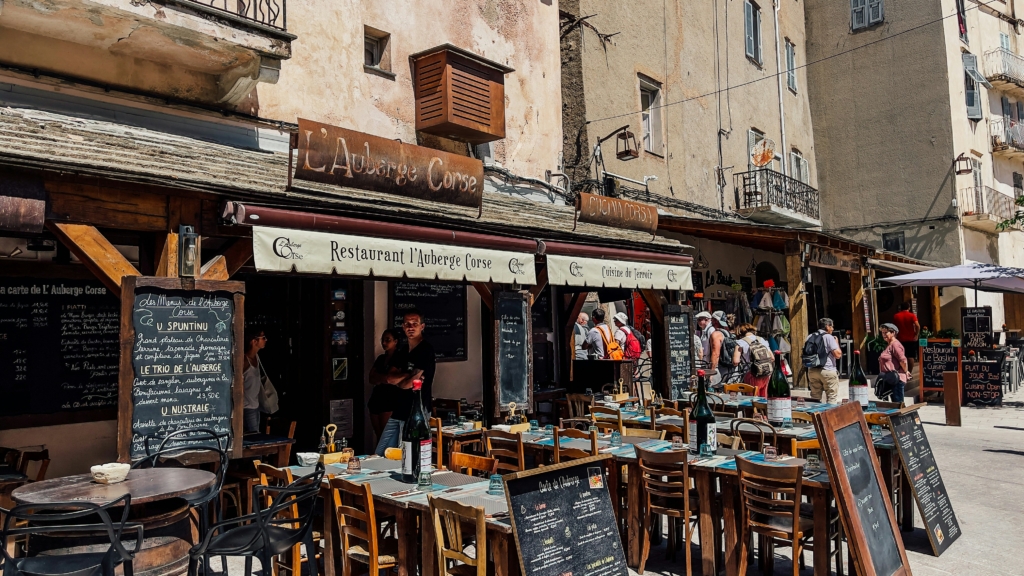
Choose a name that will grow with your business. Avoid overly trendy or niche names that might become outdated.
Questions to Consider
Example
A name like “Urban Eats” works for multiple locations, while “Downtown Deli” might feel limiting if you expand beyond urban areas.
Finalize and Commit
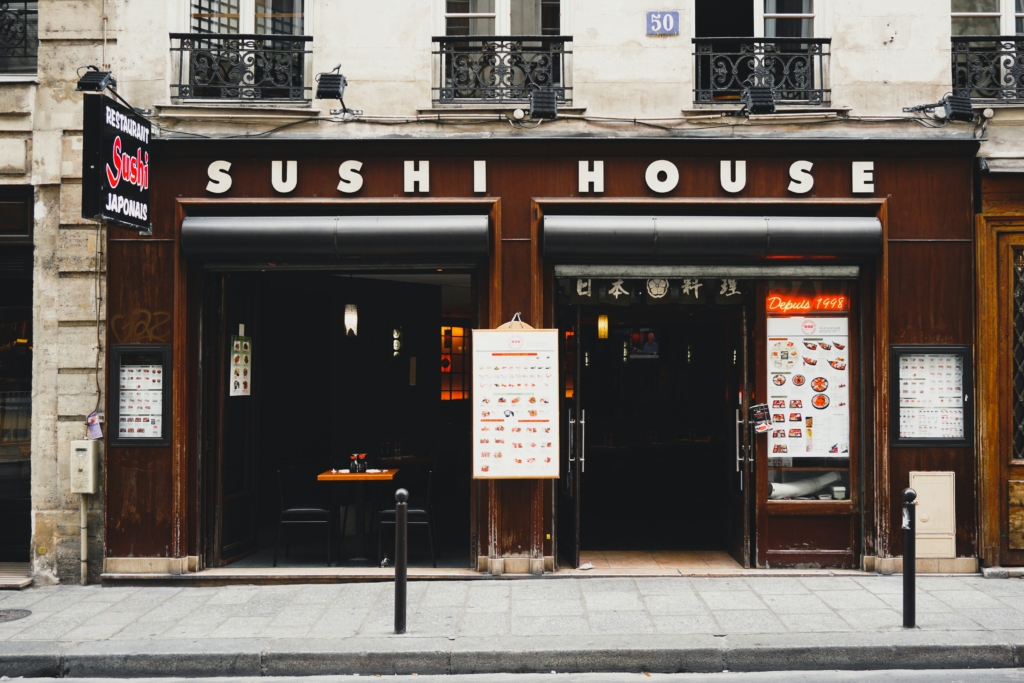
After thorough consideration and testing, finalize your name and commit to it. Once you choose a name, embrace it fully by integrating it into your branding, marketing, and overall restaurant identity.
Steps to Solidify Your Name
Register the Business Name
Officially register the name with the appropriate business authority to ensure it is legally recognized. This step typically involves registering with your local, state, or national government agency. Depending on your jurisdiction, you may need to file a “Doing Business As” (DBA) or “Fictitious Business Name” statement. This process helps protect your business identity, ensures compliance with local regulations, and prevents others from using the same name within your region. Additionally, check if you need to obtain any permits or licenses related to your business name, especially if you’re operating in multiple locations.
Secure Domain and Social Media
Purchase your website domain and secure social media handles across major platforms like Instagram, Facebook, Twitter, TikTok, and LinkedIn. Use domain registration services such as GoDaddy, Google Domains, or Namecheap to find a domain that matches or closely aligns with your restaurant name. Aim to secure a consistent username across social platforms to build a unified online presence. If your ideal handle is unavailable, consider slight variations like adding your location, “cafe,” “bistro,” or “eatery” to maintain brand cohesion. Consistency in your domain and social media handles makes it easier for customers to find and engage with your restaurant online, improving your overall brand recognition. 3