
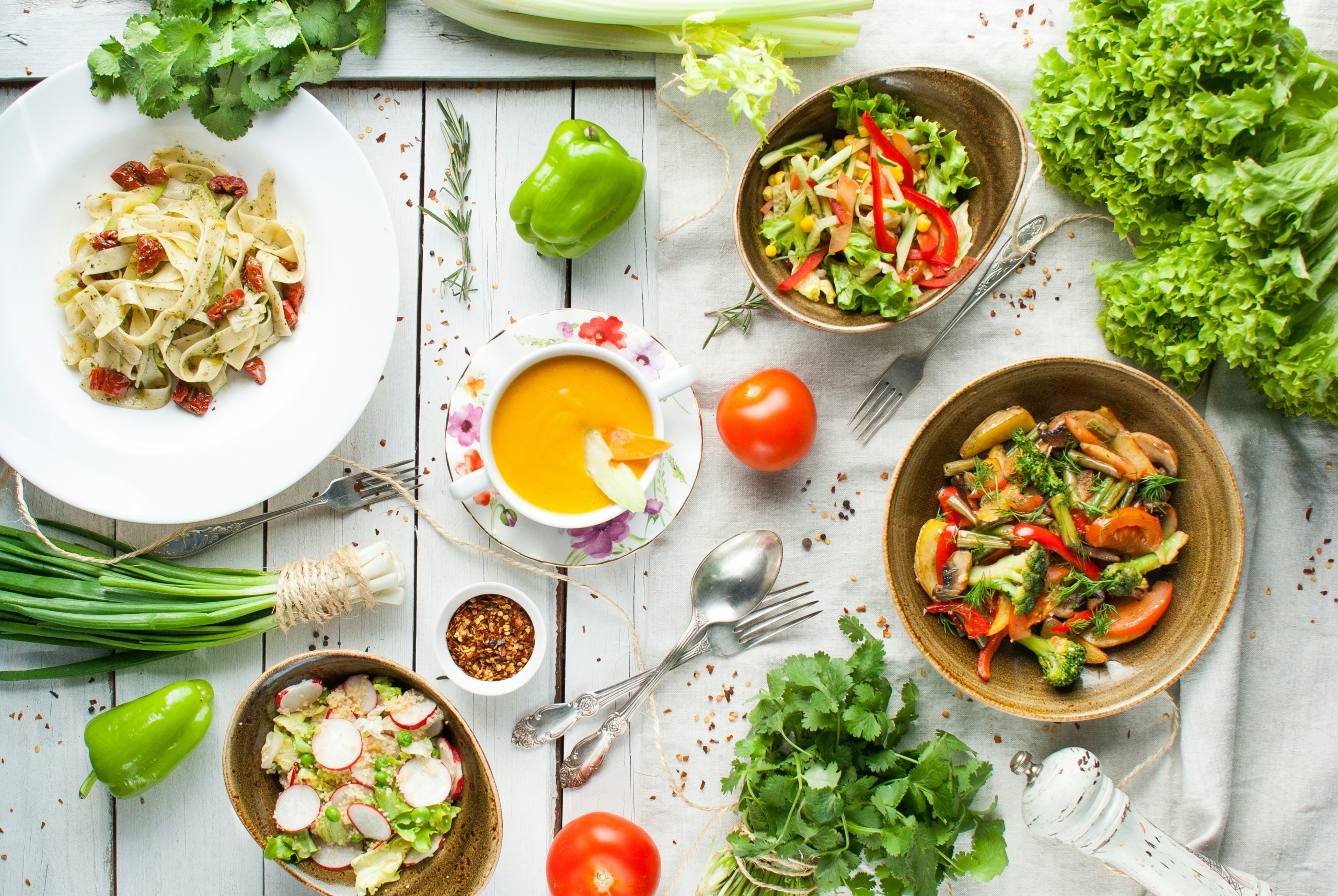
Catering to plant-based and dietary-specific needs has become essential for restaurants. Whether for health, ethical, or environmental reasons, more diners are seeking plant-based or specialized dietary options. This guide provides actionable tips to help your restaurant successfully offer these menu items while maintaining flavor, quality, and appeal.
Understand Your Audience

Plant-Based Eaters
Vegans
A vegan is someone who avoids consuming animal products for ethical, environmental, or health reasons. This includes not only meat and fish but also dairy, eggs, and honey. Vegans also steer clear of products derived from animals, such as gelatin and certain food colorings like cochineal (derived from insects). Beyond food, many vegans extend their philosophy to other areas of life, avoiding leather, wool, and other animal-derived materials.
It’s important to note that veganism is distinct from vegetarianism. While vegetarians may eat dairy and eggs, vegans abstain from all animal-derived ingredients. This commitment requires careful consideration when preparing food, as even small amounts of non-vegan ingredients can make a dish unsuitable.
How to Accommodate Vegans
Understand Ingredients
Familiarize yourself with common animal-derived ingredients that may not be obvious, such as Worcestershire sauce (which often contains anchovies), casein (a milk protein), or certain bread made with eggs or dairy. Stock your kitchen with vegan alternatives, like plant-based milks, vegan cheese, and egg substitutes.
Create Clear Labels
Clearly mark vegan options on your menu to make it easy for customers to identify suitable dishes. Use terms like “100% plant-based” to avoid confusion.
Offer Variety
Avoid limiting vegan options to a single salad or side dish. Instead, create a diverse range of appetizers, entrees, and desserts. Think beyond traditional salads to hearty dishes like vegan burgers, pasta with cashew cream sauce, or vegetable curries.
Avoid Cross-Contamination
Use separate utensils, cookware, and preparation areas for vegan dishes to prevent cross-contamination with animal products. This attention to detail builds trust and ensures the integrity of your offerings.
Train Your Staff
Educate your team about veganism and the importance of meeting customers’ needs. Train them to answer questions about ingredients confidently and suggest vegan options.
Vegetarians
A vegetarian is someone who avoids consuming meat, poultry, and fish. While all vegetarians exclude these animal products, there are variations within the vegetarian lifestyle:
- Lacto-ovo vegetarians: Avoid meat, poultry, and fish but consume dairy products and eggs.
- Lacto vegetarians: Exclude meat, poultry, fish, and eggs but include dairy products.
- Ovo vegetarians: Avoid meat, poultry, fish, and dairy but consume eggs.
It’s important to distinguish vegetarians from vegans, who abstain from all animal products, including dairy, eggs, and honey. Understanding these differences helps you better meet your customers’ dietary needs.
How to Accommodate Vegans
Create Diverse Menu Options
Go beyond offering a basic salad or side dish. Include a variety of appetizers, entrees, and desserts that appeal to vegetarians. Consider dishes like vegetable stir-fries, pasta primavera, stuffed bell peppers, or lentil-based stews.
Use High-Quality Ingredients
Highlight fresh, seasonal vegetables, grains, legumes, and plant-based proteins in your dishes. Quality ingredients can make simple vegetarian meals truly memorable.
Clearly Label Vegetarian Dishes
Make it easy for customers to identify vegetarian options by marking them on your menu. Use clear and appealing labels like “vegetarian” or “meat-free.”
Avoid Hidden Ingredients
Some seemingly vegetarian dishes may contain ingredients like chicken broth, fish sauce, or gelatin. Be mindful of these hidden animal products and replace them with vegetarian-friendly alternatives.
Train Your Staff
Ensure your team understands the vegetarian lifestyle and can confidently answer questions about ingredients. They should be able to recommend vegetarian options and explain how dishes can be customized.
Consider Cross-Contamination
Use separate cookware and utensils for vegetarian dishes to prevent cross-contamination with meat products. This attention to detail will build trust with your customers.
Flexitarians
A flexitarian is someone who primarily follows a plant-based diet but occasionally includes meat, fish, or other animal products. Unlike strict vegetarians or vegans, flexitarians adopt a more flexible approach, focusing on reducing animal product consumption rather than eliminating it entirely. This lifestyle is often motivated by a desire to improve personal health, reduce environmental impact, or explore ethical eating practices, all while maintaining the ability to enjoy animal-based foods occasionally.
Flexitarians look for menus that balance plant-based options with high-quality animal product dishes, giving them the freedom to choose based on preference or context. This diet appeals to a wide range of people and aligns with growing interest in sustainability and mindful eating.
Health-Conscious Diners
Those seeking gluten-free, low-carb, or sugar-free options.
Allergy-Sensitive Customers
Individuals with specific allergies like nuts, dairy, or soy.
Cultural or Ethical Choices
Customers avoiding certain foods due to religious or ethical beliefs.
Actionable Tip
Keep records of customer requests to identify popular dietary needs.
Develop a Menu with Balance and Creativity
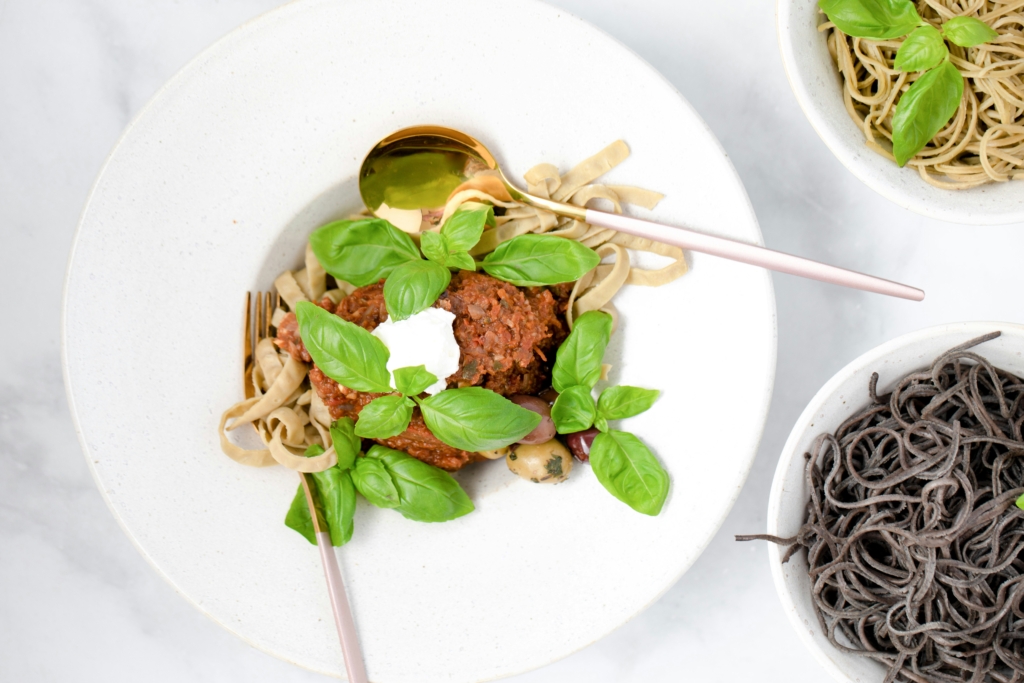
Plant-based and dietary-friendly dishes should go beyond salads and basic alternatives. Focus on balance and creativity:
Highlight Whole Foods
Use fresh vegetables, legumes, whole grains, and nuts to create flavorful and nutrient-dense meals.
Offer Variety
Include multiple dietary options, such as gluten-free pasta, dairy-free desserts, or low-carb mains.
Avoid Stereotypes
Craft dishes with robust flavors and textures so they appeal to everyone, not just those with dietary restrictions.
Example
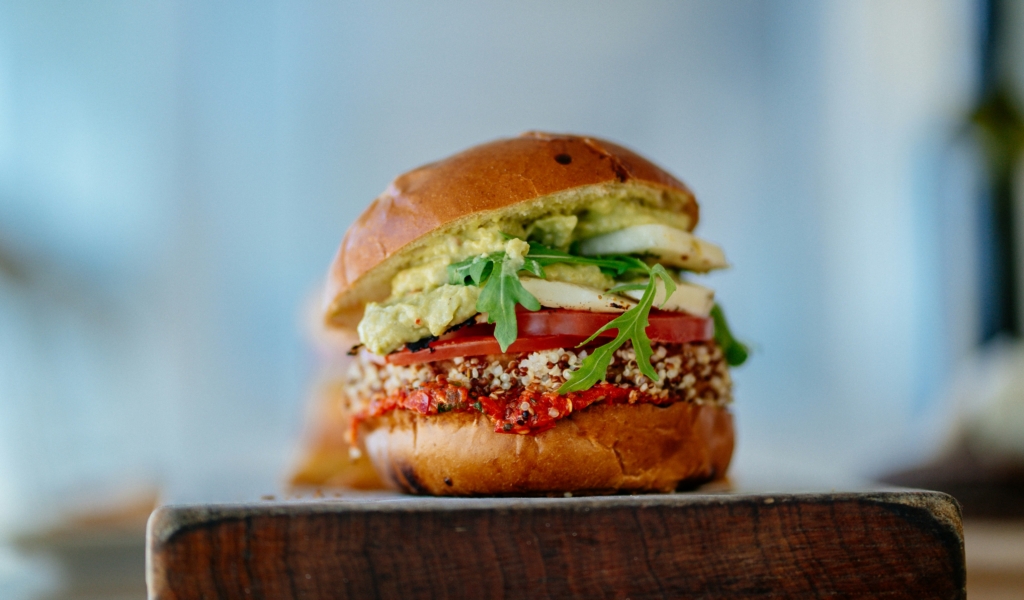
Instead of a generic veggie burger, create a black bean and quinoa burger topped with house-made vegan aioli.
Focus on Ingredient Transparency
Diners with dietary needs prioritize clear labeling and honest communication.
Labeling
Clearly mark items as vegan, gluten-free, or keto-friendly.
Avoid Cross-Contamination
Maintain separate cooking spaces or utensils for allergen-free and plant-based foods.
Detailed Descriptions
Provide ingredient lists or allergen information on your menu.
Actionable Tip
Train staff to answer questions about ingredients and preparation methods confidently.
Invest in Staff Training

Your team plays a critical role in delivering an excellent dining experience. Proper training ensures they understand and respect dietary needs:
Education on Diets
Teach staff the basics of vegan, vegetarian, and allergen-friendly diets.
Cross-Contamination Protocols
Train kitchen staff on handling food to avoid cross-contact.
Customer Interaction
Equip servers with knowledge to guide diners through the menu.
Actionable Tip
Conduct monthly workshops to refresh knowledge and address new menu changes.
Source High-Quality Ingredients

Sourcing matters when creating plant-based and dietary-friendly dishes:
Local Produce:
Partner with local farms for fresh, seasonal ingredients.
Specialty Suppliers
Work with vendors who provide gluten-free flours, vegan cheeses, or plant-based proteins.
Organic Options
Consider offering organic choices to attract health-conscious diners.
Actionable Tip
Highlight your ingredient sourcing in marketing materials to build trust and authenticity.
Optimize Menu Design
QR code restaurant menus
Beautiful, hygienic, contactless QR code menus for restaurants, bars and cafés.
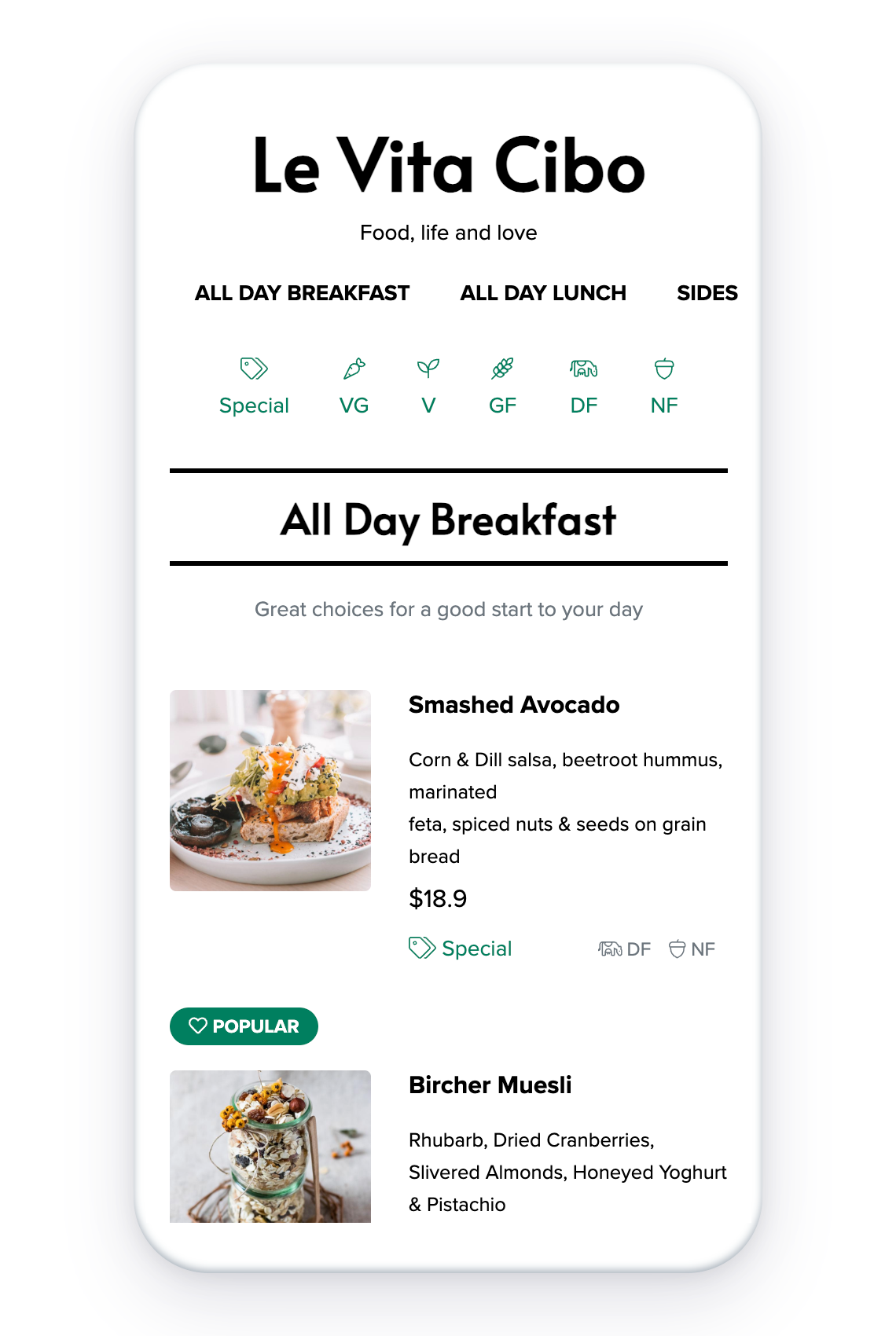
A well-designed menu makes dietary-friendly options easy to identify and appealing:
Icons and Labels
Use symbols (e.g., a leaf for vegan or GF for gluten-free) to denote dietary options.
Dedicated Sections
Create a separate section for plant-based or allergy-friendly dishes.
Descriptions That Sell
Use enticing language to describe the flavors and benefits of each dish.
Example
“Zucchini Noodles with Cashew Alfredo – A creamy, dairy-free Alfredo sauce tossed with spiralized zucchini, garnished with toasted pine nuts and fresh basil.”
Leverage Plant-Based Proteins

Incorporate plant-based proteins to make dishes satisfying and nutritionally balanced:
Legumes
Chickpeas, lentils, and black beans.
Soy Products
Tofu, tempeh, and edamame.
Grains and Seeds
Quinoa, chia seeds, and hemp hearts.
Innovative Proteins
Try products like jackfruit, seitan, or plant-based meat substitutes.
Actionable Tip
Rotate protein options to keep the menu fresh and exciting.
Offer Customizable Options
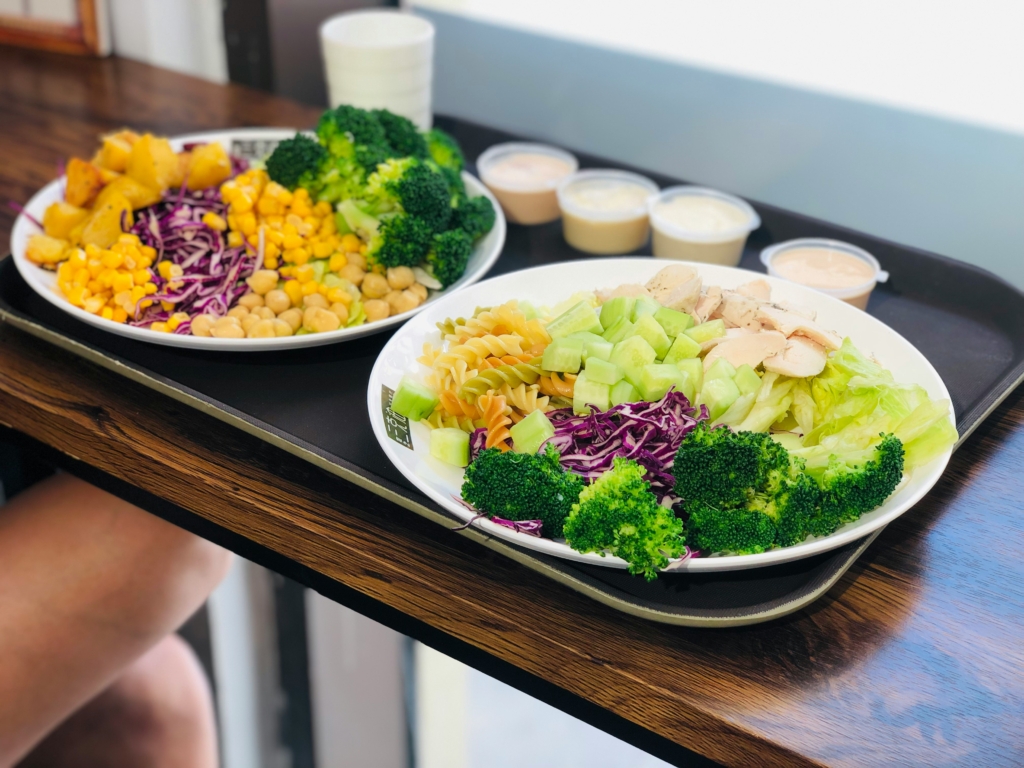
Customization allows diners to tailor meals to their preferences:
Build-Your-Own Bowls
Let customers choose a base (e.g., quinoa, rice, or greens), protein, and toppings.
Substitution Options
Offer vegan cheese, gluten-free bread, or dairy-free dressings as substitutes.
Modifiable Dishes
Make it easy for diners to remove allergens or swap ingredients.
Actionable Tip
Promote these flexible options through social media and on the menu.
Stay Updated on Trends
The plant-based and dietary-friendly market evolves quickly. Keep up with trends to stay competitive:
Fermented Foods
Incorporate gut-health items like kimchi, kombucha, or miso.
Zero-Waste Cooking
Use vegetable scraps creatively to reduce waste and appeal to eco-conscious diners.
Innovative Products
Experiment with new plant-based technologies, such as lab-grown meat or dairy-free cheese.
Actionable Tip
Attend food expos or workshops to stay informed about emerging trends and techniques.